Hashtag Mistakes Musicians Make
Hashtag Mistakes Musicians Make
Want more fans to see your music? Stop making these hashtag mistakes.
Hashtags are essential for musicians to expand their reach on platforms like TikTok, Instagram, and YouTube Shorts. But many artists misuse them, limiting their visibility. Common errors include:
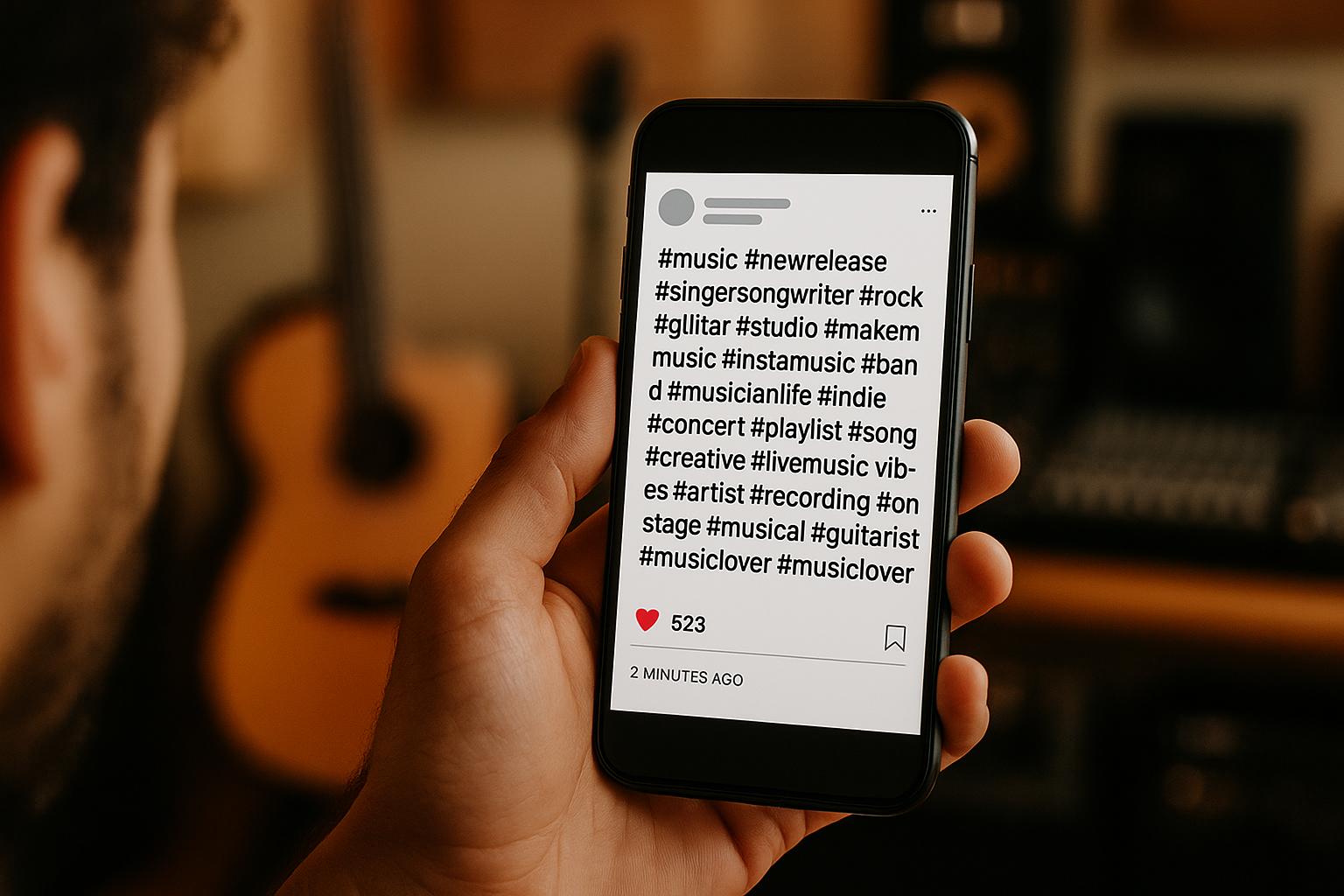
- Using only broad hashtags like #music, which get lost in millions of posts.
- Overloading posts with too many hashtags or using too few.
- Failing to research trending or relevant hashtags.
- Skipping artist-specific tags like #independentartist or context-relevant ones like #newmusicfriday.
- Repeating the same hashtag set, which algorithms may flag as spam.
The fix? Use a mix of broad, niche, and artist-specific hashtags tailored to your genre. Rotate them regularly, research trends, and monitor performance using platform analytics or tools like Vibesdrop. For example, switching from #music to #indiemusic or #SynthPop could boost engagement by over 25%. Stay current, track results, and refine your strategy to connect with the right audience.
5 Hashtag Mistakes Musicians Make
Using Only Broad Hashtags
Sticking to broad hashtags like #music or #love might feel like a good idea, but it’s a quick way to have your posts lost in a sea of millions. These overly popular tags are oversaturated, making it nearly impossible for potential fans to stumble upon your content. Instead, opt for more specific hashtags like #cardiffmusicscene or #lofihiphop, which are better at connecting you with your target audience. Striking a balance between broad and niche hashtags is key to avoiding spammy signals while ensuring your posts reach the right people.
Using Too Many or Too Few Hashtags
Overloading your posts with hashtags can make them look spammy and might even trigger penalties from social media algorithms. On the flip side, using too few hashtags limits your ability to expand your reach. Here's a quick breakdown of platform-specific hashtag strategies:
| Platform | Optimal Count | Maximum Allowed | Key Strategy |
|---|---|---|---|
| TikTok | 3–5 hashtags | No official limit | Focus on trending and relevant tags |
| 20–30 hashtags | 30 hashtags | Mix broad, niche, and branded tags | |
| X (Twitter) | 1–2 hashtags | No official limit | Keep it minimal and relevant |
For example, on TikTok, sticking to 3–5 trending and relevant hashtags is ideal, while Instagram allows for a broader mix of up to 30 hashtags. Regularly updating your hashtags to reflect current trends can also make a big difference in how your content performs.
Not Researching or Updating Hashtags
Using outdated hashtags is like playing last year’s hit single on repeat - it disconnects you from what’s happening now. Trends and audience interests evolve quickly, and if your hashtags don’t keep up, your content risks feeling out of touch. By regularly researching and updating your hashtags, you can stay aligned with what’s current. Pay attention to which hashtags drive engagement and watch for emerging ones in your genre. This keeps your content relevant and ensures you’re reaching the right listeners who are genuinely interested in your music.
Missing Artist Status and Context Hashtags
Musicians often overlook hashtags that showcase their professional status or make it easy for fans to find their music. Tags like #independentartist, #unsignedartist, #spotify, or #onapplemusic let people know where to find your tracks and highlight your journey as an artist. Context-specific hashtags can also help you connect with broader music communities. For example, using #newmusicfriday when releasing a track ties your music to a well-loved weekly tradition, while #bedroomproducer links you with fellow home-recording artists. These types of hashtags not only promote your work but also help you engage with fans and peers alike.
Reusing the Same Hashtag Sets
Copy-pasting the same set of hashtags for every post might feel efficient, but it’s a red flag for social media algorithms. This repetitive behavior can make your posts look automated, potentially triggering spam filters or even leading to a shadowban. To maintain visibility, switch up your hashtag sets for each post. Rotate the order, swap out a few tags for fresh ones, and keep your strategy flexible. Musicians who vary their hashtags tend to see better engagement and consistent visibility over time. Just like your music evolves, your hashtag strategy should too.
How to Fix Your Hashtag Strategy
Research Your Audience and Genre Hashtags
Start by studying the hashtags that resonate with your audience and fit your music genre. Look at what similar artists are using and track how well those tags engage listeners. This can help you connect with fans who are genuinely interested in your style.
For instance, hashtags like #AltRock for alternative rock or #IndiePop for indie pop work well to attract genre-specific fans. These are far more effective than generic tags like #music, which can get buried in a sea of unrelated posts. A good strategy is to mix broader tags like #musician, #newmusic, and #singersongwriter with more targeted ones such as #countrymusic, #indiemusic, #hyperpop, or other niche-specific tags.
You can use tools like Instagram's search bar or TikTok's Discover page to find trending and relevant hashtags for your genre. Another great idea is to create personalized hashtags tied to your band name, album titles, song names, tours, or even your fan base. Promoting these custom tags can help build a tight-knit community around your music. Once you’ve tested a few options, use analytics to refine your approach.
Use Platform Analytics and Trend Data
Platform analytics are your best friend when it comes to figuring out which hashtags work. On Instagram, check your Insights to see which tags bring in the most impressions and engagement. Use this data to guide your choices for future posts. On TikTok, dive into video analytics to identify the tags that lead to higher views and shares.
One example: an independent pop artist boosted their reach by 40% and grew their followers by 25% in just two months by rotating between genre-specific hashtags like #SynthPop and #ElectroPop, while also incorporating trending tags.
Speaking of trends, keeping up with seasonal or event-based hashtags can give your posts a visibility boost. On TikTok, for example, aligning your content with viral challenges or trends - using a mix of trending tags and music-specific ones like #musictok, #tiktokmusic, and #originalmusic - can greatly expand your audience.
Try AI-Powered Tools Like Vibesdrop
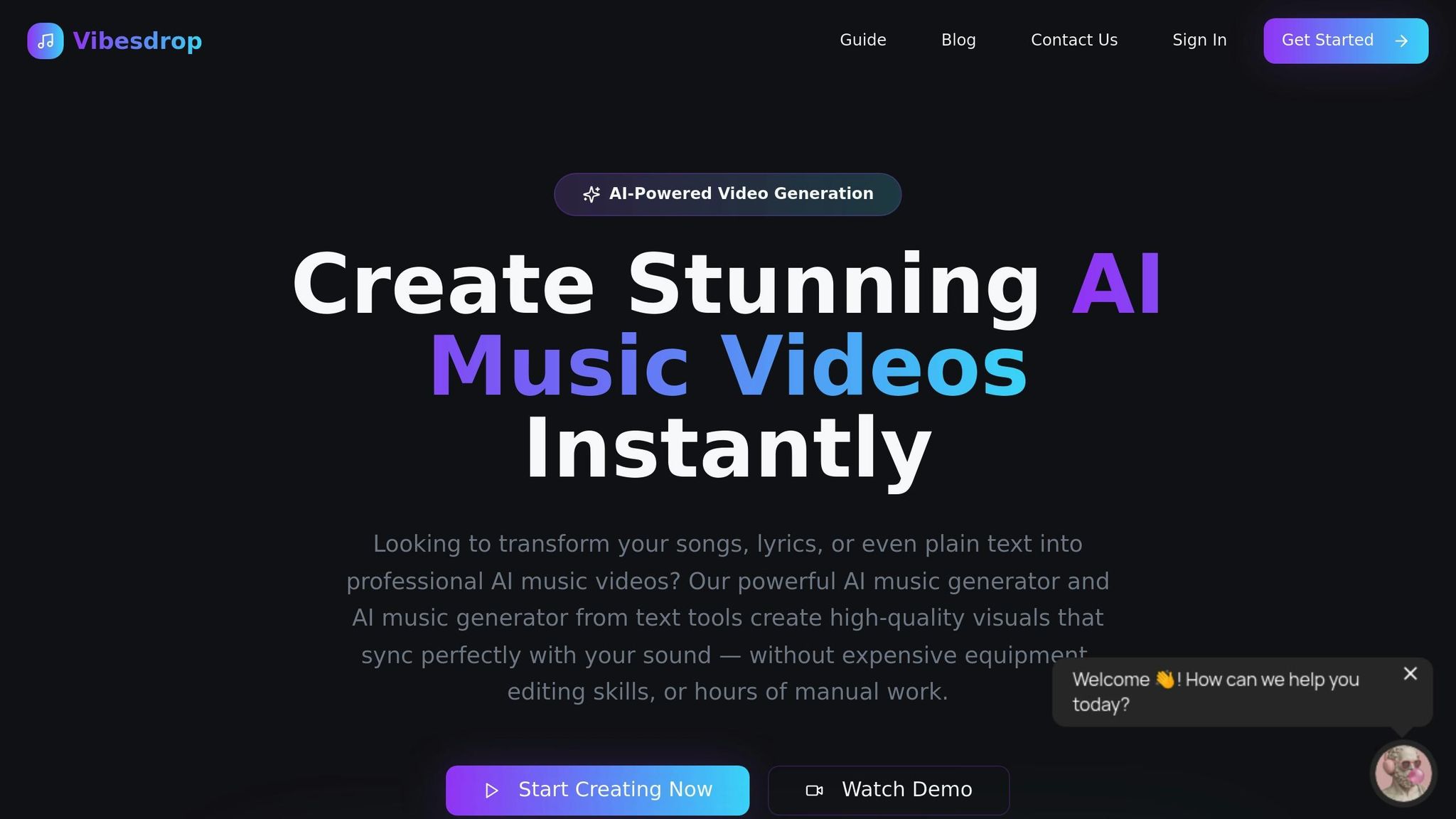
AI tools such as Vibesdrop can take the guesswork out of managing hashtags. They suggest optimized tags based on your music genre and even handle auto-posting to platforms like TikTok, Instagram Reels, and YouTube Shorts, tailoring hashtags for each platform.
For example, Instagram allows up to 30 hashtags, but research shows that using just 3-5 carefully selected tags often works best. On TikTok, trend-specific tags can make a big difference, while platforms like X (formerly Twitter) perform better with no more than two hashtags per post. Tools like Vibesdrop help you optimize these choices, saving time and increasing your efficiency.
MUSIC INDUSTRY ADVICE - HASHTAG YOUR BAND / BUILD AN AUDIENCE #63
sbb-itb-add310e
Tools and Methods for Better Hashtag Management
Once you've fine-tuned your hashtag strategy, the next step is to use the right tools and methods to keep it effective over time.
Research and Rotate Hashtags Regularly
Using the same hashtags repeatedly can limit your reach. To avoid this, rotate your hashtag groups to stay on the algorithm's good side.
Create three to four distinct sets of hashtags tailored to your music style, and switch them up with each post. For instance, if you're an indie folk artist, one set might include genre-specific tags like #IndieFolk and #AcousticMusic, while another could feature tags like #SingerSongwriter and #FolkPop. Even changing the order of your hashtags can make a difference, as platforms may flag repetitive sequences.
Stay current with your hashtag research by observing what similar artists in your genre are using and keeping an eye on trending tags. Tools like Instagram's search suggestions and TikTok's trending page are great for spotting active and relevant hashtags. This ensures your content remains discoverable as trends shift.
Automate with Vibesdrop's AI Features
Managing content across multiple platforms can be overwhelming, especially with each platform having its own set of rules. AI tools like Vibesdrop simplify this process by automating tasks like music analysis, visual content creation, and multi-platform posting. By using these features, you can save time and focus on fine-tuning your hashtag strategy.
With Vibesdrop, you can upload your track once, and it will automatically post to TikTok, Instagram Reels, and YouTube Shorts. This streamlined approach gives you more time to experiment with and refine your hashtag sets, ensuring your content stays fresh and engaging.
Monitor Performance and Adjust Your Approach
Once your posting process is running smoothly, shift your attention to analytics. Tracking performance is key to understanding which hashtags are driving results. Platforms like Instagram Insights, TikTok Analytics, and YouTube Studio offer detailed data on impressions, reach, and engagement metrics like comments, shares, and saves. These insights help you identify which hashtags resonate most with your audience.
Make it a habit to review your hashtag performance every month. For example, you might notice that specific tags like #SynthPop generate more engagement than broader ones like #NewMusic, or that using your band name as a hashtag improves brand recognition.
Looking ahead, Vibesdrop's upcoming growth analytics feature will make this process even easier. It will provide a single dashboard to track hashtag and content performance across TikTok, Instagram Reels, and YouTube Shorts. Instead of juggling multiple analytics tools, you'll have a clear view of what works best for your music, all in one place.
Key Points for Musicians
Here’s a quick rundown of hashtag strategies every musician should keep in mind:
- Mix up your hashtags. Use a blend of broad, niche, and artist-specific hashtags to expand your reach while focusing on your core audience. Avoid overused tags like #music that may get lost in the crowd.
- Tailor the number of hashtags to the platform. Each social media platform has its sweet spot for hashtags. Stick to those limits to maximize visibility and avoid being flagged as spam.
- Keep your hashtags fresh. Regularly update and rotate your sets to align with current trends. Using the same hashtags repeatedly can hurt your visibility due to platform algorithms.
- Use personalized and relevant hashtags. Incorporate tags like #YourBandName, #AlbumTitle, or #Tour2025 to strengthen your brand and foster a sense of community around your music.
- Rely on data to guide your choices. Instagram posts with at least one hashtag see an average 12.6% boost in engagement compared to those without. Use analytics tools to pinpoint which hashtags perform best and refine your approach.
- Leverage tools like Vibesdrop. AI-powered tools can simplify managing hashtags across platforms. For instance, Vibesdrop’s upcoming growth analytics feature will let you track hashtag performance in one place.
- Stay on top of hashtag trends. Constant research ensures your tags stay relevant and discoverable. Plus, it helps you avoid outdated or banned hashtags that could limit your reach.
FAQs
What’s the best way for musicians to find and use the right hashtags for their genre and audience?
To make the most of hashtags, musicians should zero in on their genre and the audience they want to reach. A good starting point is to explore trending hashtags in your music niche and take note of what similar artists are using. The goal is to find hashtags that are specific enough to attract your ideal listeners while still being popular enough to generate engagement.
Using tools to evaluate hashtag performance can be a game-changer. Platforms like Vibesdrop are great for simplifying the process of creating engaging social media content. They can help you pair your music with hashtags that pack a punch. With consistency and a bit of trial and error, you can fine-tune your hashtag strategy over time, increasing your visibility and connecting with the listeners who matter most.
How can musicians use hashtags effectively without being flagged as spam?
To make the most of hashtags without running the risk of being flagged as spam, it's all about balance and relevance. Stick to using 5 to 10 well-chosen hashtags per post. These should be directly connected to your content and audience. Avoid recycling the same hashtags repeatedly or relying on overly generic ones, as they can make your posts appear spammy.
A smart approach is to combine niche-specific hashtags (like those tied to your industry or topic) with broader ones. This mix can help expand your reach while keeping your posts targeted. If you're feeling stuck, tools such as Vibesdrop can simplify the process. They’re great for crafting engaging posts and refining your hashtag strategy on platforms like TikTok, Instagram Reels, and YouTube Shorts, helping your content find the right viewers.
How can tools like Vibesdrop help musicians use hashtags effectively and grow their social media presence?
Musicians looking to up their social media game can benefit from AI-powered tools like Vibesdrop, which simplify content creation and boost online engagement. With features like smart music analysis, artists can spot trends and craft posts that strike a chord with their audience.
Vibesdrop lets users upload tracks, generate eye-catching visuals, and schedule auto-posts to platforms like TikTok, Instagram Reels, and YouTube Shorts. This not only saves time but also ensures content is fine-tuned for maximum visibility, helping musicians reach new fans and grow their online presence effortlessly.