AI and Metadata: Boosting Music Discovery

AI and Metadata: Boosting Music Discovery
Discovering music today relies on AI-powered algorithms, and accurate metadata is key to making your songs visible. For independent musicians, metadata acts as the backbone of music discovery, helping platforms like Spotify, TikTok, and YouTube recommend tracks to the right audience. Without proper metadata, even great music can go unnoticed.
Here’s what you need to know:
- Metadata Basics: Includes artist name, song title, genre, mood, tempo, and more.
- Why It Matters: Algorithms rely on metadata to categorize and recommend music.
- Common Issues: Incomplete or inconsistent data can limit your visibility.
- AI Tools: Automate tagging and improve metadata accuracy, saving time and effort.
- Platform-Specific Requirements: Metadata priorities differ across platforms (e.g., TikTok focuses on tempo, Spotify on mood).
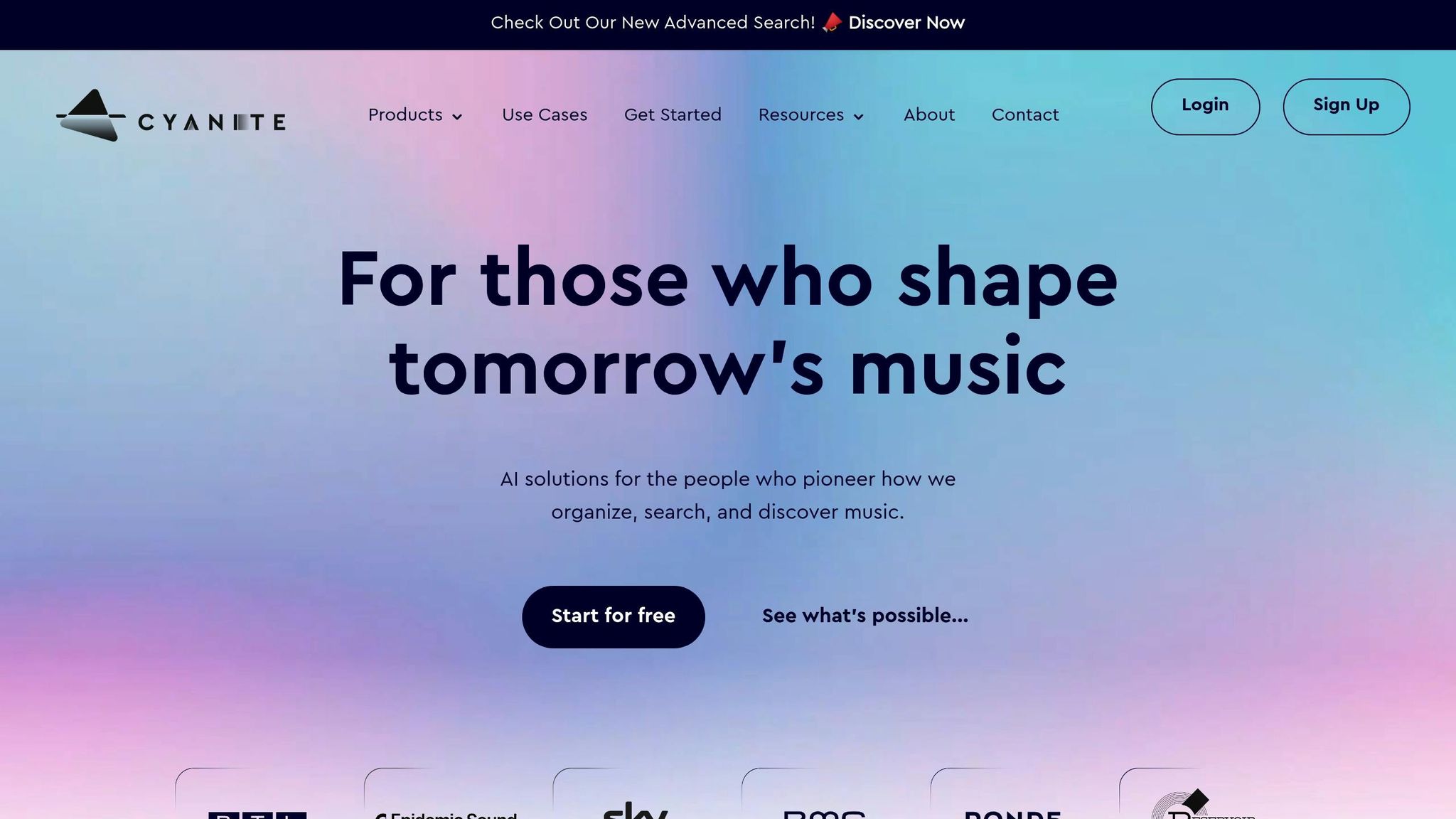
How AI is Revolutionizing the Music Industry Ft. Roman Gebhardt (Cyanite)
How Metadata Powers Music Discovery Algorithms
Music streaming services and social media platforms have become highly sophisticated recommendation engines, relying on massive datasets to connect listeners with new tracks. At the heart of these systems lies metadata - the structured information that helps algorithms identify, categorize, and suggest music to the right audience.
How Platforms Use Metadata for Discovery
Each platform has its own way of using metadata to fuel music discovery. For example, Spotify combines collaborative filtering with detailed analysis of a track's tempo, key, and energy. This is how playlists like Discover Weekly and Release Radar are curated. A track with a fast tempo (say, 128 BPM) in a major key might be flagged as high-energy, making it a strong candidate for workout or upbeat mood playlists.
TikTok, on the other hand, focuses on tempo, energy, and trending tags to pair music with popular video trends. Descriptive tags that hint at viral potential are key here, as they help the platform match tracks with trending sounds and video formats.
YouTube Music takes a slightly different approach by blending traditional metadata - like song titles, artist names, and genres - with engagement signals. This allows the platform to dive deep into an artist’s catalog and recommend related tracks. Similarly, platforms like Instagram and YouTube Shorts analyze tempo, energy, hashtags, and descriptions to expand the ways users can discover music. This granular use of metadata highlights how important it is for artists to provide detailed and accurate information.
How Metadata Quality Affects Your Visibility
The quality of your metadata can make or break your music’s visibility. Clear and detailed metadata acts like a guide for algorithms, helping them understand where your music fits in the digital ecosystem. Without it, your tracks are far less likely to land in curated playlists or mood-based recommendations.
For example, well-structured metadata - complete with tempo details, genre subcategories, and descriptive tags - gives algorithms more opportunities to recommend your music. On the flip side, vague metadata (like labeling your genre as just “alternative”) limits your track’s chances of being discovered in more specific searches or playlists.
Search engines also rely heavily on metadata to deliver accurate results. A song with precise tags and descriptions is more likely to appear in a variety of user queries, while poorly tagged tracks might only show up in direct title searches.
Tailoring your metadata to each platform’s unique algorithm can significantly enhance your visibility. For instance, TikTok is more likely to feature tracks with clear tempo and energy markers as background music for trending videos. Spotify, meanwhile, rewards well-tagged tracks by placing them in its algorithm-driven playlists.
Consistency is another critical factor. Uniform metadata across platforms makes it easier for listeners to find your catalog on different services. This consistency also helps algorithms identify patterns in your music, improving their ability to recommend your tracks in the future.
As platforms roll out increasingly advanced discovery features powered by AI, high-quality metadata will only grow in importance. Musicians who prioritize detailed and accurate metadata now will be better equipped to take advantage of these evolving recommendation systems.
How AI Helps Musicians Optimize Metadata
Handling metadata manually can feel like a daunting task, especially when you're juggling multiple tracks across different platforms. Fortunately, AI technology has completely changed the game, making this process faster and more precise. Instead of painstakingly tagging every track by hand, musicians can now rely on AI to automate much of the work while still keeping creative control. Let’s dive into how AI simplifies metadata tagging.
AI Automation for Metadata Tagging
AI tools analyze your tracks and assign metadata based on what they "hear." This isn't just about identifying basic features like tempo or key. These advanced systems, powered by machine learning, are trained on massive music datasets to detect patterns, structures, and even subtle elements that humans might miss.
When you upload a song, AI can identify everything from tempo and key to more intricate characteristics like mood, energy, and instrumentation. It doesn’t stop there - it can pick up ambient textures, recognize specific instruments, and even assess the emotional tone of your music. For tracks with lyrics, AI can analyze the content to generate thematic tags that reflect the song’s message and mood.
For example, some leading audio tagging tools can process tens of thousands of tracks within minutes, delivering consistent, industry-standard metadata. This level of precision ensures your catalog has uniform tagging, which helps streaming platforms better understand your music. The result? More accurate recommendations and increased visibility for your tracks.
Benefits of AI-Driven Metadata Improvements
Using AI for metadata optimization isn’t just about saving time - it’s about taking your catalog to the next level. These systems provide automatic tagging with incredible accuracy across genres, moods, and instrumentation, thanks to their training on diverse music datasets. What once took weeks of manual effort can now be completed in seconds, giving musicians more time to focus on their craft.
Accuracy is another game-changer. For instance, in May 2025, a cutting-edge platform introduced AI tools for tagging tracks in online libraries. Instead of generic labels, the AI generated highly detailed descriptions like “mid-tempo indie rock with ambient textures and introspective mood”.
"It can work alongside you…alongside the creative part, rather than becoming something we're completely reliant on." - Lara Angeli, Reprtoir
This level of detail significantly boosts your music’s discoverability. Rich, specific tags make it easier for streaming platforms to connect your tracks with the right audience. Whether it’s appearing in relevant searches or landing on curated playlists, accurate metadata ensures your music finds its way to listeners who are most likely to enjoy it.
AI systems also adapt to your workflow. You can manually tag tracks using drag-and-drop interfaces, automate tagging during uploads, or let the system process tracks as they arrive in your inbox. This flexibility allows you to choose what fits best with your release schedule and creative process.
Another advantage? These systems aren’t static. As AI models improve, they can refine and update tags for existing tracks, ensuring your catalog meets current tagging standards and platform requirements.
For independent artists, this is a game-changer. Professional-grade metadata tagging used to be a luxury reserved for major labels with specialized teams. Now, AI tools bring that same level of precision and detail to everyone, leveling the playing field and giving all musicians the opportunity to enhance their music's reach.
sbb-itb-add310e
Using Vibesdrop for Metadata Optimization
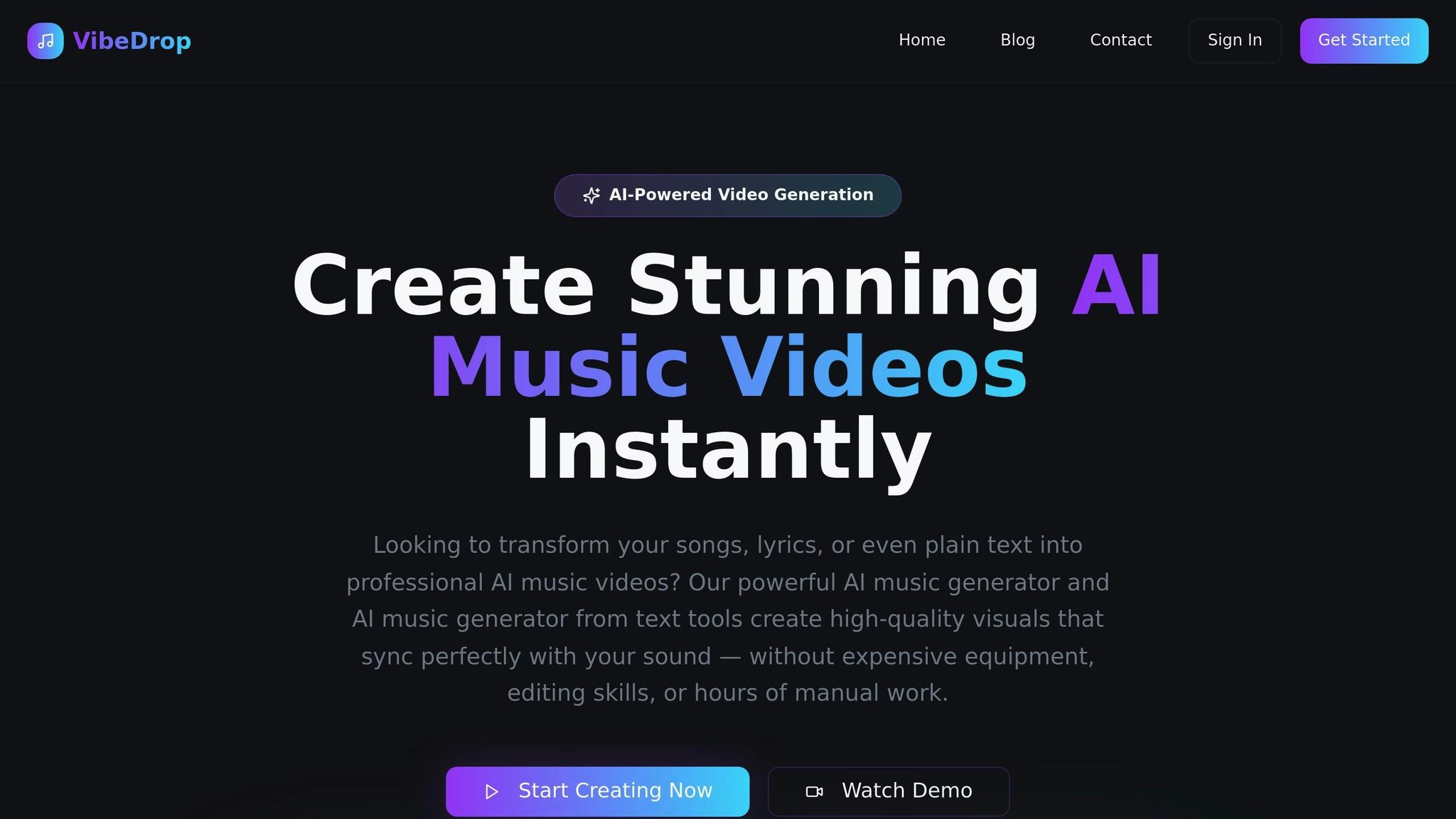
Vibesdrop takes AI's precision in tagging to the next level by combining metadata optimization with visually engaging content. This approach not only enhances your music's discoverability but also ensures your tracks stand out with eye-catching visuals.
What makes Vibesdrop unique is its ability to turn music analysis into dynamic visuals for social media. This AI-powered platform transforms key elements of your tracks into content designed to amplify your reach across platforms like Instagram, TikTok, and Spotify.
How Vibesdrop Enhances Your Track Presentation
When you upload a track, Vibesdrop dives into its core elements - analyzing beat patterns, tempo, and song structure. This data is then used to create visuals that perfectly sync with your track's rhythm and mood.
Using advanced beat detection, Vibesdrop identifies the intricate patterns in your music, ensuring visuals align seamlessly with the energy of your song. It can even sync lyrics to beats, crafting visuals that feel like a natural extension of your track.
Flexibility is another key feature. You can upload finished tracks or work with lyrics and text, making it easy to create compelling visuals whether you’re promoting a new release or teasing something in progress.
Combining Music Analysis with Social Media Tools
Vibesdrop doesn’t stop at crafting visuals - it also integrates them into a social media strategy tailored to your music. The platform generates content optimized for TikTok, Instagram Reels, YouTube Shorts, and Spotify Canvas, ensuring your music connects with audiences across diverse platforms.
The AI fine-tunes pacing and design elements to match each platform’s unique style. For instance, it creates quick, punchy edits for TikTok while adjusting for the longer format of YouTube Shorts. This level of customization ensures your content feels at home on any channel.
To make things even easier, Vibesdrop includes a multi-platform auto-posting feature. Once your visuals are ready, the platform can distribute them across your social accounts, saving you time and maintaining consistent promotion.
Additionally, Vibesdrop fosters a sense of community through its private Discord group, where creators can exchange tips and feedback on how their content performs. This collaborative space helps you understand what works best for different platforms.
And with growth analytics on the horizon, Vibesdrop will soon offer deeper insights into your content’s performance. These tools will allow you to refine your strategy and further expand your music’s reach.
Best Practices for AI-Powered Metadata Management
AI can play a pivotal role in refining music metadata, but combining it with thoughtful human oversight ensures your tracks remain both discoverable and true to your artistic vision. Here are some actionable tips to maximize your metadata's potential.
Start by using AI tools to manage your metadata, but always review their suggestions to maintain consistency and ensure your content aligns with your brand across platforms.
Audit your metadata regularly. AI tools can quickly scan your library and flag inconsistencies, such as mismatched track titles or outdated genre tags, which can hinder discoverability.
Create a master metadata template that includes key fields like track title, artist name, and more nuanced details such as mood and energy levels. While AI can recommend tags based on audio analysis, take the time to verify these suggestions to ensure they reflect your creative intent.
Steps to Review and Improve Your Metadata
Prioritize your most popular tracks. These songs have the greatest influence on discovery algorithms. Use AI to identify areas for improvement, especially for tracks with high play counts but low follower growth or playlist additions.
Standardize your artist name across platforms. AI tools can help detect discrepancies that may split your audience or confuse algorithms, ensuring your presence remains unified.
Keep your genre tags up to date. As your sound evolves, so should your metadata. AI can suggest genre classifications that align with current streaming trends, helping your music stay relevant.
Use AI insights to fine-tune metadata elements like tempo, key, and mood. These details play a crucial role in algorithm-driven recommendations, especially for mood-based playlists.
Track the impact of metadata changes. Monitor how updates influence discovery metrics such as streams, playlist placements, and follower counts. This helps identify which adjustments boost visibility and which might need rethinking.
Once your metadata is polished, AI analytics can help you measure its performance and uncover further opportunities for improvement.
Using AI Analytics for Better Results
Optimized metadata is just the beginning - AI analytics can take it a step further by providing actionable insights.
Monitor performance metrics after updates. AI tools can show how specific changes correlate with increased streams, new followers, or playlist inclusions.
Set up automated alerts for inconsistencies. AI can continuously monitor your metadata across platforms and notify you of mismatches, ensuring your information remains accurate everywhere.
Analyze successful metadata patterns in your genre. AI can study high-performing tracks within your category, highlighting common metadata strategies that contribute to their success.
Pay attention to seasonal and cultural trends. AI analytics can reveal shifts in popular mood tags or genre classifications, allowing you to time updates strategically for greater impact.
Schedule regular catalog reviews. Whether monthly or quarterly, use AI tools to scan your entire library for optimization opportunities. Even older tracks can benefit from refreshed metadata.
Evaluate cross-platform performance. AI analytics can help you understand how different services respond to your metadata and adjust your strategy to maximize results on each platform.
Conclusion: Improving Music Discovery with AI and Metadata
The music industry has seen a massive transformation, with AI-driven metadata playing a key role in helping artists cut through the noise and connect with their audience. Metadata is the backbone of music discovery - it determines whether your songs get heard by the right people at the right time.
AI tools take the hassle out of tagging your music by automating the process while keeping your creative vision intact. They spot inconsistencies across platforms, analyze your music’s acoustic features, and suggest fitting genre tags - all in a fraction of the time it would take to do manually. This blend of AI precision and human artistry is paving the way for smarter, more efficient tools.
Platforms like Vibesdrop are at the forefront of this shift, combining advanced music analysis with tools for creating social media content. As highlighted here, their AI-powered features help artists fine-tune their metadata while also producing eye-catching visuals for TikTok, Instagram Reels, and YouTube Shorts. This approach reflects the reality of today’s music landscape: discovery happens everywhere, not just on streaming platforms. By bridging music and content creation, these tools help artists connect with audiences in meaningful ways.
Investing in optimized metadata isn’t just a trend - it delivers real, measurable results. Artists who embrace AI-enhanced metadata see better placements, higher engagement, and stronger connections with listeners. As streaming algorithms grow more advanced, musicians who adapt now will position themselves for lasting success.
Start with your most popular tracks and expand from there. By combining AI insights with thoughtful metadata management, you build a solid foundation for growing your audience and ensuring your music gets the attention it deserves.
FAQs
How can AI help independent musicians improve their metadata for better music discovery?
AI takes the hassle out of metadata tagging by analyzing key audio features like genre, mood, tempo, and instrumentation. This ensures tracks are labeled with consistent and accurate details, making it easier for listeners to find music and for platforms to recommend it effectively.
Automating this process not only saves musicians valuable time but also minimizes mistakes and keeps their music well-organized. Accurate metadata plays a big role in boosting visibility, connecting with the right audience, and even unlocking licensing opportunities. Tools like Vibesdrop go a step further, offering smart, AI-driven solutions to help artists share their music effortlessly and engage with fans more effectively.
How do metadata requirements differ between platforms like Spotify, TikTok, and YouTube Music?
Metadata requirements differ depending on the platform, as each one emphasizes specific elements to improve music discovery and user engagement.
Spotify prioritizes detailed and accurate metadata to ensure songs are correctly identified and royalties are distributed properly. Essential details include the track title, artist, album, genre, and rights information.
TikTok leans heavily on discoverability, relying on trending sounds, hashtags, and descriptive tags. Pairing these with engaging visuals can significantly boost a track's visibility.
YouTube Music focuses on precise metadata, such as song titles, artist information, and licensing details. This ensures proper attribution and supports monetization.
While basic metadata like song titles and artist names remain crucial across all platforms, each platform's distinct focus - Spotify's attention to rights, TikTok's trend-driven approach, and YouTube Music's emphasis on attribution - underscores the importance of crafting platform-specific metadata strategies.
How can musicians keep their metadata accurate and effective across platforms?
To maintain accurate and effective metadata, it's essential to stick to a consistent format across all fields, including song titles, artist names, and genres. Double-check spelling, punctuation, and categorization to minimize mistakes that could hurt discoverability.
Make it a habit to review and update your metadata regularly, ensuring it stays current and aligns with your latest releases. Assign specific team members to handle metadata management, and explore tools or platforms that can simplify the process. Keeping metadata accurate not only boosts visibility but also ensures proper credit and smooth royalty collection.